

Many of the villages that we have visited throughout the
semester have shared their respect and aspiration of community rights. They
emphasize the importance of community within their daily life and cultural
traditions.
Large institutions have altered their way of life and have
even displaced many of them, which has had many negative affects on their
culture and traditions. These institutions have an apparent relation to the
insertion of capitalism within the Kingdom of Thailand.
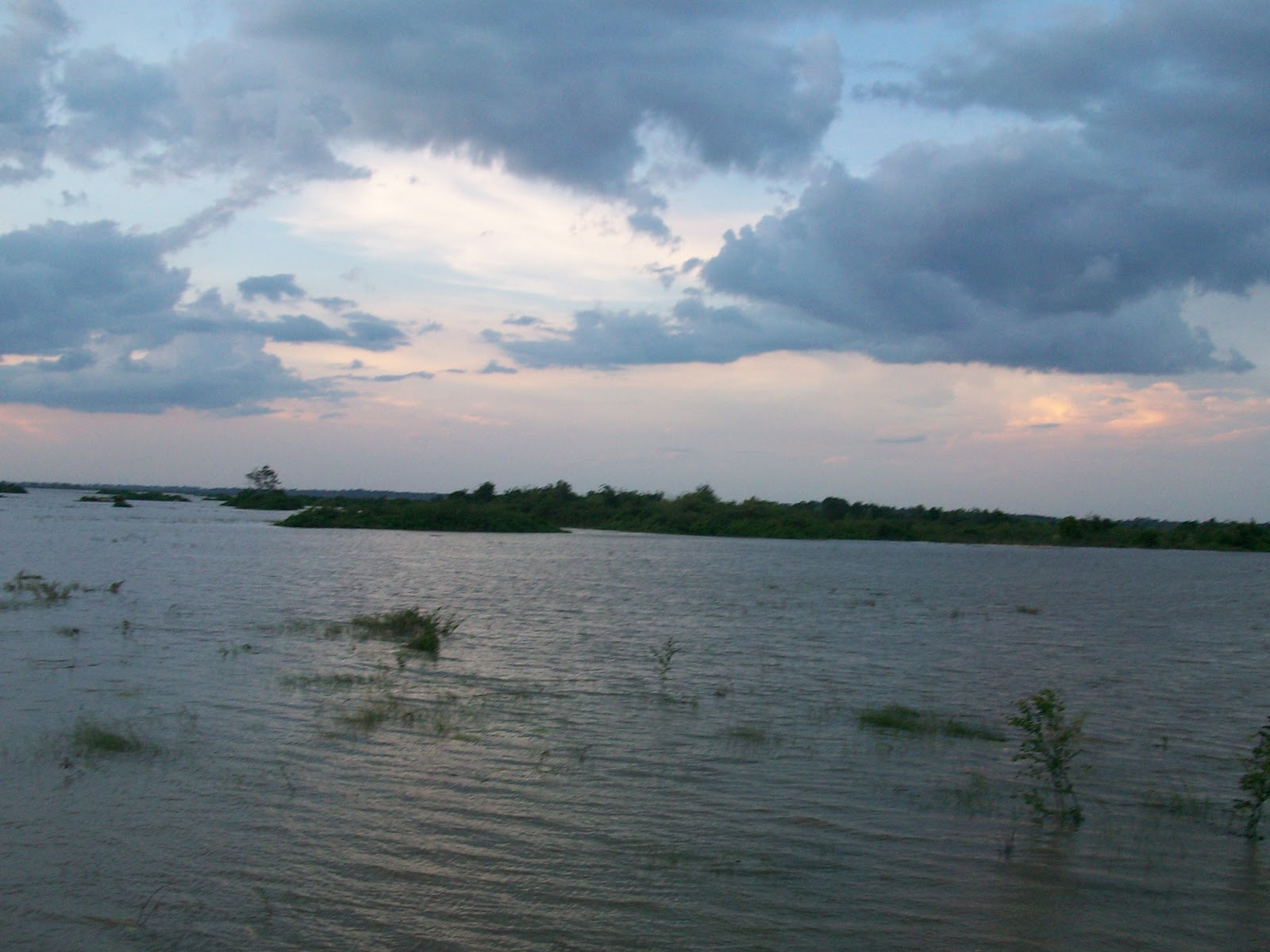
This has been true for the village of Rasi Salai. They have
been greatly affected by the construction and implementation of the Rasi Salai
Dam. The dam has now been in place for many years and the people of Rasi Salai
have begun the process of coping with the reality of the dam.
The creation of the dam represents capitalism within
Thailand because it has benefited many large corporations through its construction
and upkeep. The dam cost millions of Baht to construct and many manufacturing
companies were able to benefit from this production. Large-scale companies and
wealthy business owners were able to profit from this dam project and have
subsequently contributed to the corruption and oppression of local villagers.
Those who have been able to benefit from the dam are largely those who do not
live in the affected area and many of them have much more capital then those
who live in Rasi Salai village. Unfortunately, this is a common occurrence
among capitalistic conditions. Those who have more money often have more
influence in critical projects and decisions, and they also happen to be the
ones who benefit the most.
The dam was also constructed for the purpose of avoiding
major flooding in Bangkok and industries near by. The importance that has been
placed upon Bangkok and creating industries has a large connection with
Thailand’s yearn for development and capitalism. This has had many affects on
the rural villagers of Thailand, which make up majority of the country’s
population. For the Rasi Salai community, it has affected them through the
creation of the dam and its affect of permanent flooding in their village. On
behalf of the villagers, this has meant their farmland being flooded, years of
protesting, changes to their traditional way of life and much financial
uncertainty. The value and significance placed on capitalism has directly
affected this people and their culture.
The villagers have opposing views to the principles of
capitalism. The villagers of Rasi Salai made it clear that they greatly value
community rights and a desire to be self-sufficient. They have stayed together
through their fight against the dam and continue to support each other just
like they have for generations. They fear that they may loose parts of their
tradition and culture if they to let go of their emphasis and value on
community rights. Their lives are dependent on each other and they are content
with the culture that their ancestors have been practicing for hundreds of
years. They do not value capitalism in the same way as many people with wealth
and many of those who come from western societies.
Rasi Salai is currently considering the implementation of a
co-op. They are very interested in working together as a community and creating
optimal use of the compensation that they will receive from the government. By
doing this they would be able to resourcefully support the community ideals and
values of their culture.
The Rasi Salai villagers are fighting for more than just
their flooded farmland. They are fighting to uphold their culture, to preserve
community rights and to give a voice to those who are not financially
wealthy.
Ryan Kammerman
Occidental College


